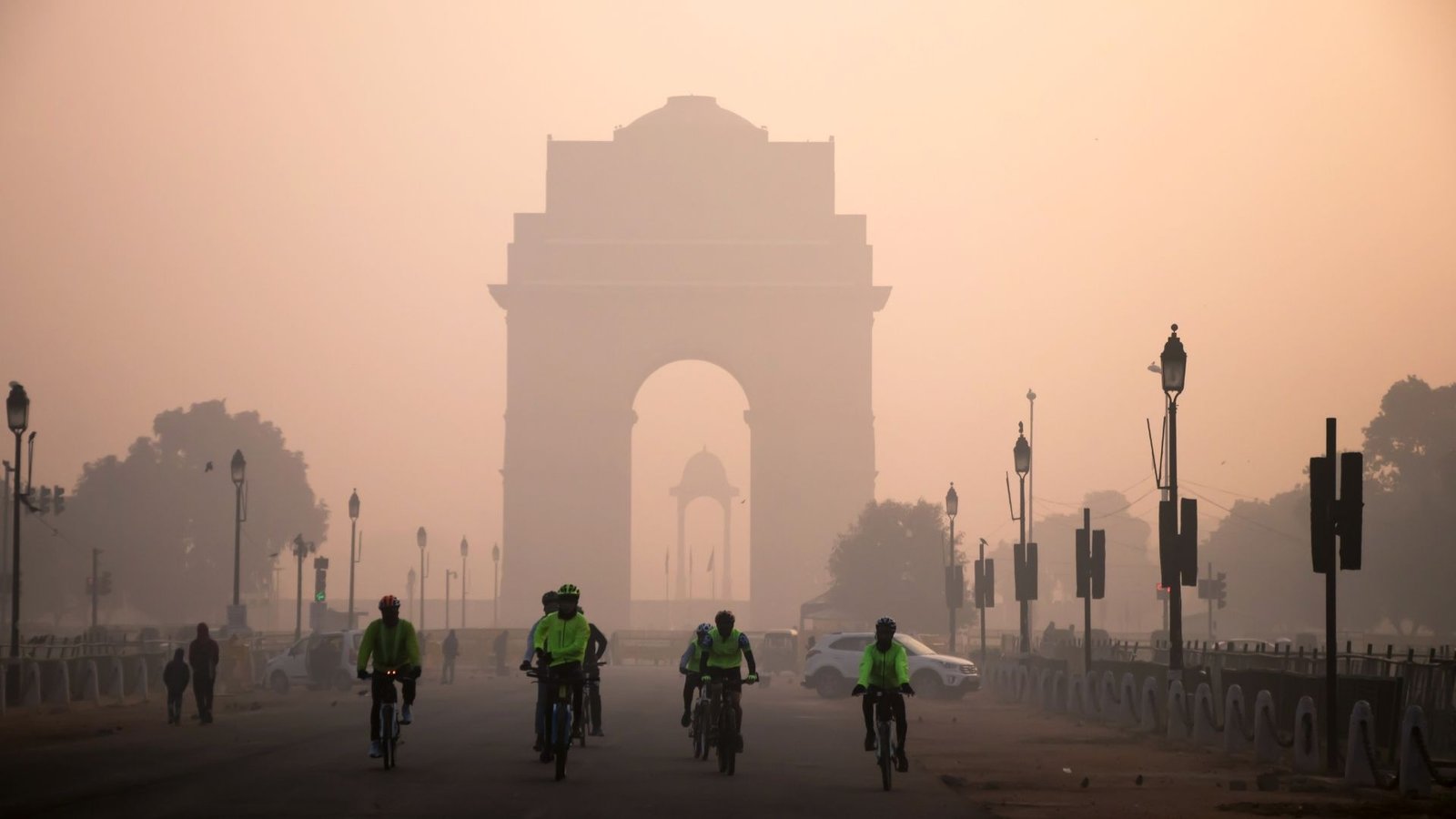
When environmental pollution levels rise, parents often respond by keeping children indoors, canceling outdoor activities and limiting their exposure to traffic and dust. While these steps can help, indoor spaces are not automatically safe.
According to the UNICEF report, air pollution was associated with 709,000 deaths among children under five globally in 202. This makes air pollution the second-largest risk factor for deaths in this age group after malnutrition. Of these, about 201,000 were linked to ambient PM2.5, while most were associated with household air pollution.
Outdoor pollution, particularly fine particulate matter (PM2.5), can enter homes through windows, doors, and ventilation systems. Indoor sources such as cooking fumes, incense sticks, mosquito coils, tobacco smoke, and poorly ventilated kitchens can also increase indoor pollution.
In October 2024, the World Health Organization (WHO) issued personal intervention guidance for air pollution, saying that staying indoors can reduce exposure on high-pollution days. However, how much staying indoors can help depends on indoor air quality and how much outdoor pollution enters the building.
Not all of us have the choice to shift cities during peak pollution days. Dr Manish Taneja, critical care medicine specialist at Ujala Cygnus, Haldwani, advises families to reduce children's exposure to air pollution as much as possible.
Can air purifiers make a difference?
A properly sized air purifier with a HEPA filter can help reduce particulate pollution indoors. The WHO's review found that portable air filters reduced indoor PM2.5 concentrations by 40-82 percent in real-world studies. However, the organisation cautions that evidence on long-term health benefits remains limited. A properly sized air purifier with a HEPA filter can help reduce indoor particulate pollution. The WHO's review found that portable air filters reduced indoor PM2.5 concentrations by 40-82 percent in real-life studies. However, the organisation cautions that evidence on long-term health benefits remains limited.
Can we keep children cooped up inside all the time?
Dr Taneja says exposure by keeping doors and windows closed when outdoor pollution is high and using HEPA air purifiers where possible. Delhi's pollution levels are not the same throughout the day. During early mornings and late evenings, when the air is colder, pollutants tend to remain closer to the ground because of atmospheric inversion that is the worse time to get out.
During warmer parts of the day, the inversion effect may weaken, allowing some pollutants to disperse. So, if you have to go outside, it is better to choose a relatively warmer part of the day.
He lists some practical measures that can help:
- Check the local AQI before letting children play outdoors or do strenuous physical activity.
- Restrict outdoor sports and prolonged exertion when air quality is very poor or severe.
- Keep windows closed during periods of particularly high outdoor pollution, while ensuring appropriate ventilation when outdoor air improves.
- Avoid smoking, incense sticks, and mosquito coils inside homes.
- Where affordable, use appropriately sized air purifiers with HEPA filters in frequently occupied rooms.
- Children with asthma must follow their prescribed treatment plans, and parents should seek medical advice if symptoms worsen.
- Seek medical attention for persistent coughing, wheezing, breathlessness, or other concerning symptoms.
A properly fitting N95 respirator can reduce exposure to particulate matter in appropriate circumstances, but masks are not a substitute for reducing pollution exposure. Their suitability and fit need particular consideration in younger children.
Dr. Taneja says reducing exposure is more useful than relying on supplements or products marketed as pollution protection. He sees no evidence that gummies or supplements can prevent harm from polluted air. Families should focus on limiting exposure rather than looking for a nutritional shortcut.
Keeping children indoors for long periods also comes at a cost. They need physical activity, play, and social interaction for healthy development. The challenge is to reduce exposure on the worst days without allowing pollution to restrict their childhood permanently.