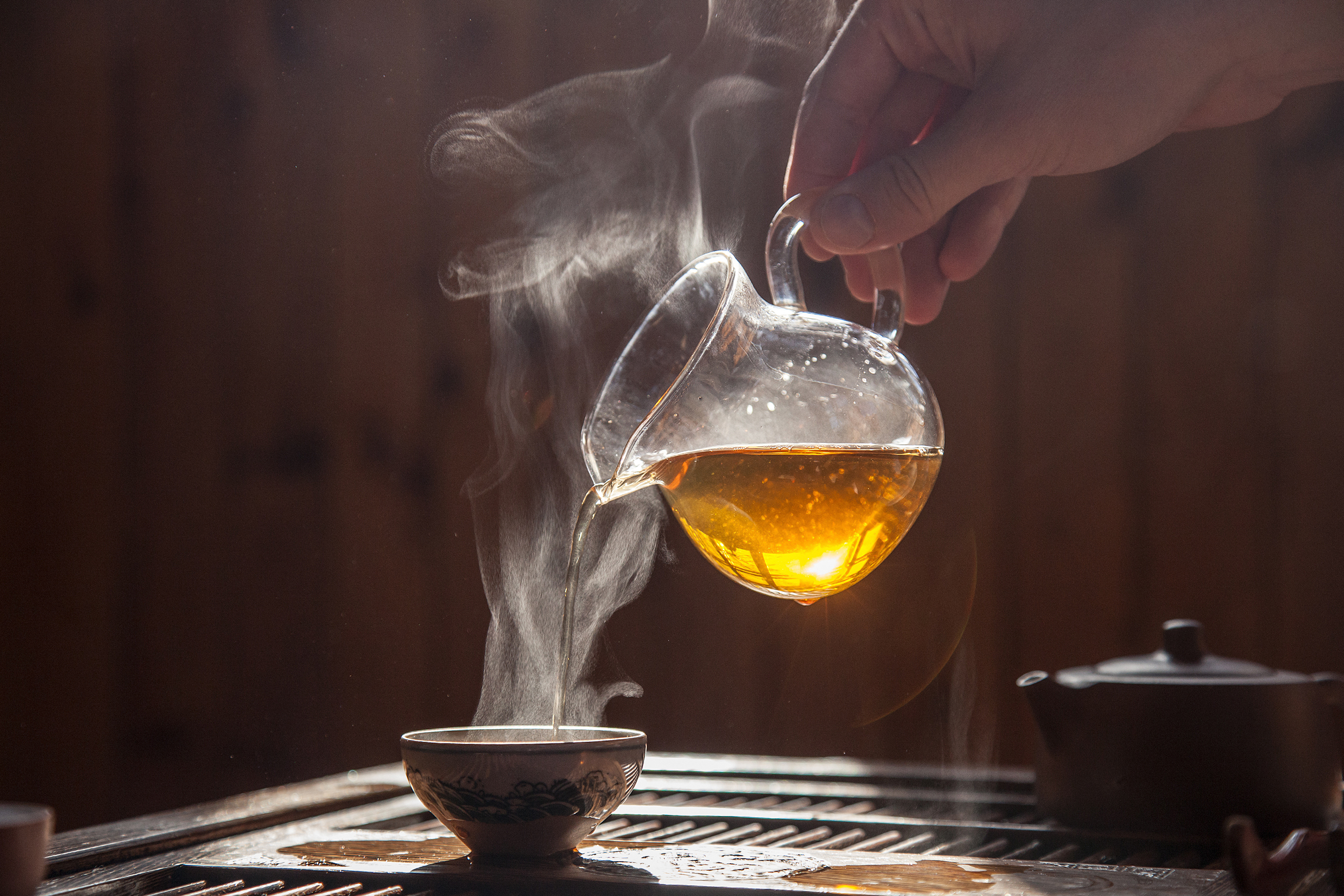
For years, the use of hot beverages in hilly regions of North India was blamed for high rate of esophageal cancer; a recent international study further says it might just be true.
A recent study published in the International Journal of Cancer early this month says drinking tea or coffee at very high temperatures may be associated with a significantly higher risk of esophageal squamous cell carcinoma (cancer ).
So for millions of people who need their morning cup of tea or coffee as a daily ritual, your cuppa might do more harm than good if you drink it piping hot.
Researchers studying nearly one million adults in the UK found that people who preferred their hot beverages “very hot” had more than three times the risk of developing esophageal squamous cell carcinoma (SCC) compared with those who drank their beverages warm.
The study also found that people who consumed six or more hot beverages a day had a higher risk of SCC than those who drank fewer than six.
A 2012 study from Kashmir showed similar findings. The study said drinking very hot beverages like traditional Noon Chai (salt tea) at temperatures above 65°C (149°F) causes repeated thermal injury to the lining of the esophagus, which significantly raises the risk of esophageal squamous cell carcinoma in regions like Kashmir.
One of India’s leading Oncologist Dr Sameer Kaul says there is a lot of evidence suggesting the link. He suggests it’s not just drinking the temperature but frequency of drinking as well that counts.
“There is enough scientific evidence from more than 39 trials and met analysis covering more than a million participants clearly linking Oesophageal squamous cell carcinoma with not only high temperature beverage drinking ( 40 to 60 degree Celsius ) but also the frequency if intake ( more than 4 to 6 times in a day ,”he says. This assisciation Dr Kaul says is not seen for Oesophageal adenocarcionoma .
What did the study find?
Researchers analysed data from participants in the Million Women Study and the UK Biobank, involving nearly one million adults aged 37 to 73. Participants reported whether they preferred their tea or coffee “warm,” “hot” or “very hot”, as well as how many cups they consumed each day.
Researchers then followed them for more than a decade using linked NHS health records.
During follow-up, 2,348 participants developed esophageal cancer. Of these, 1,045 cases were squamous cell carcinoma and 1,303 were adenocarcinoma.
The strongest association was seen with SCC. People who preferred “very hot” beverages had a pooled relative risk of 3.17 compared with those who preferred warm drinks — meaning their relative risk was more than three times as high.
Those who preferred “hot” drinks also had a higher risk, at nearly twice that of warm-drink consumers.
The association was specific to SCC. Researchers did not find a meaningful link between beverage temperature and esophageal adenocarcinoma, another major type of esophageal cancer.
Consumption frequency also appeared to matter. People who drank six or more hot beverages a day had a 71% higher risk of SCC than those who consumed fewer than six.
The researchers accounted for several other factors, including age, smoking, alcohol consumption and body measurements. The association between very hot drinks and SCC remained consistent across different groups.
Dr Dodul Mondal, Principal Director and Unit Head, Oncology, Max Super Specialty Hospital, Saket, says, hot beverages are one of the probable factors causing esophageal cancer, commonly squamous cell cancer.
“People who drink excessive hot beverages like tea or coffee multiple times in a day over long periods are prone to develop such cancers,” he says.
Why could heat matter?
One possible explanation is repeated thermal injury to the esophagus.
Very hot liquids can damage the esophagus lining, potentially triggering repeated inflammation and cellular injury over many years. Such chronic damage may contribute to changes that increase cancer risk.
“The excessive heat keep on damaging the epithelial lining and on long term, such chronic damage can convert to a cancerous tumor. Recent research suggests that excessive consumption of hot beverages is a probable cause of esophageal cancer,” Dr Mondal says .
Dr Kaul says drinking scalding fluids creates thermal injury to the cells comprising the inner epithelial lining , necessitating regeneration, hyperplasia and finally metaplasia. ‘The regenerating cells lose control and far exceed their purpose . That is the starting point of a cancer . Not just scientific evidence but epidemiological analysis also supports this malicious link,” Dr Kaul adds .
It's always better to drink food or beverages at a moderate, comfortable temperature.
The International Agency for Research on Cancer (IARC), part of the World Health Organization, has previously classified beverages consumed above 65°C as “probably carcinogenic to humans,” based on evidence linking very hot beverages with esophageal cancer.
Experts however cautioned that hot beverages are unlikely to be the most important risk factor for esophageal cancer for most people.
Smoking and heavy alcohol consumption are established risk factors, while chronic acid reflux and obesity are particularly important for esophageal adenocarcinoma.
The researchers estimated that lowering beverage temperatures could prevent some SCC cases. They calculated that about 14% of esophageal SCC cases in the UK could be prevented if people who currently drink beverages “very hot” reduced the temperature to “hot”.
The findings do not mean that people need to give up tea or coffee. Instead, allowing very hot drinks to cool before drinking them may be a simple way to reduce repeated heat exposure to the esophagus — alongside addressing better-established cancer risks such as smoking and heavy alcohol use.
“It's the “heat” that causes this damage, not the “tea” or “coffee,”says Dr Mondal.